Fallen Branch Removal in Honolulu, HI
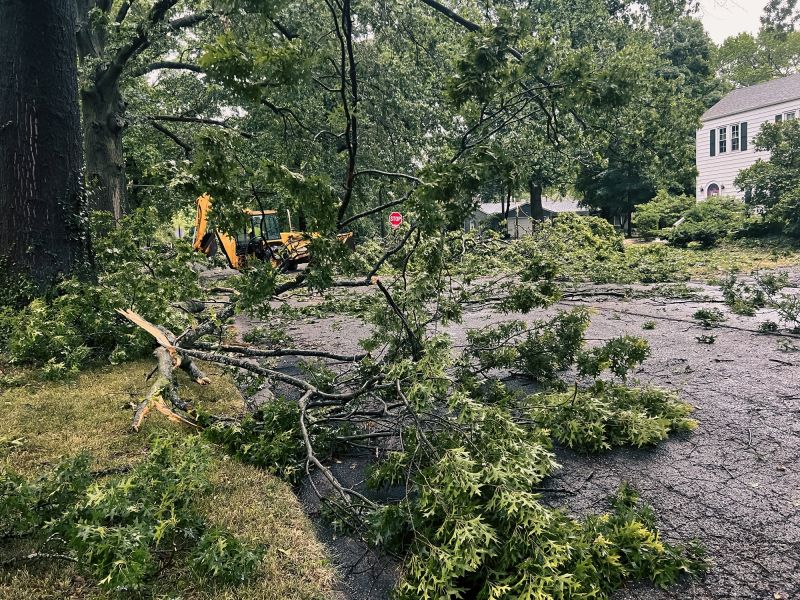
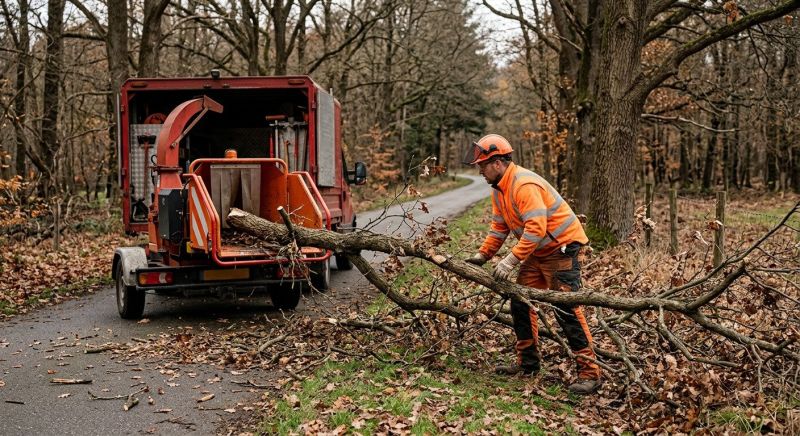
Fallen branch removal services involve the safe and efficient clearing of branches that have broken, fallen, or pose a risk to a property. This service covers a variety of projects, including storm-damaged trees, overhanging limbs that threaten structures or power lines, and branches that have become hazardous due to decay or pests. Property owners typically seek this service to maintain safety, prevent property damage, and improve the appearance of their landscape after severe weather events or overgrowth.
Before requesting fallen branch removal, homeowners should consider the location and size of the branches, as well as any potential obstacles such as power lines, roofs, or landscaping features. It’s also helpful to understand the extent of the debris and whether additional tree trimming or removal services might be needed. Clear information about the specific problem areas and the overall condition of nearby trees can assist in planning an effective and safe removal process.
Many property owners in Honolulu, HI look into Fallen Branch Removal for repairs, replacements, upgrades, and appearance-related improvements.
Fallen Branch Removal Services
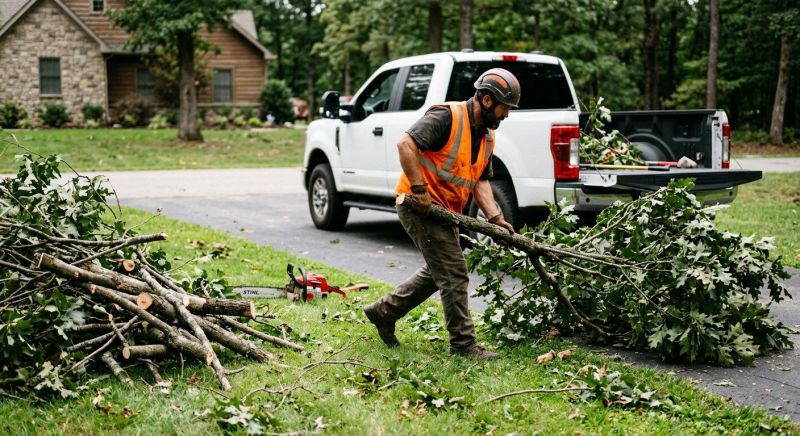
Examples of fallen branch removal work property owners may explore in honolulu, hi.
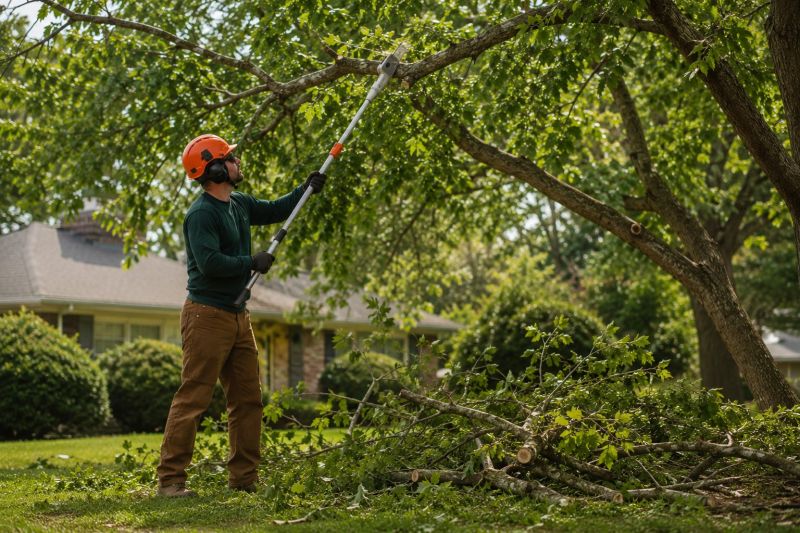
Fallen Branch Removal Updates
Common ways people refresh, improve, or restore fallen branch removal features in honolulu, hi.
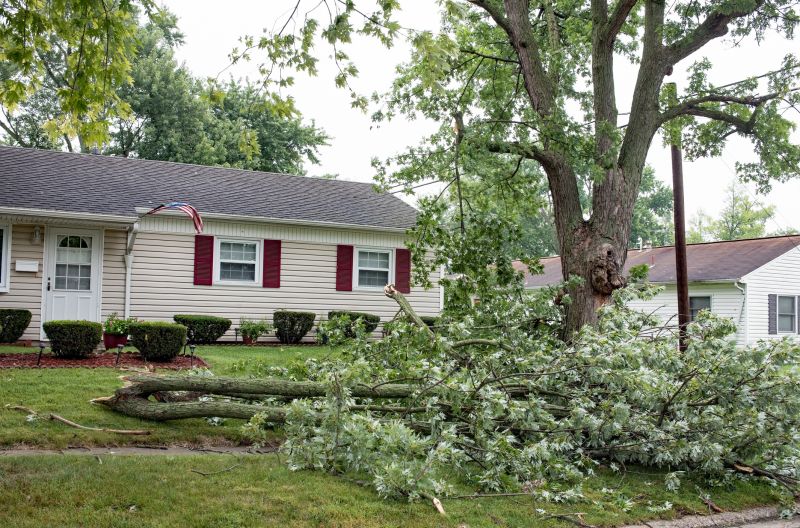
Fallen Branch Removal Options
Different styles, layouts, and finishes people consider for fallen branch removal in honolulu, hi.
Fallen Branch Removal in Honolulu, HI

Fallen branch removal services involve the safe and efficient clearing of branches that have broken, fallen, or pose a risk to a property. This service covers a variety of projects, including storm-damaged trees, overhanging limbs that threaten structures or power lines, and branches that have become hazardous due to decay or pests. Property owners typically seek this service to maintain safety, prevent property damage, and improve the appearance of their landscape after severe weather events or overgrowth.
Before requesting fallen branch removal, homeowners should consider the location and size of the branches, as well as any potential obstacles such as power lines, roofs, or landscaping features. It’s also helpful to understand the extent of the debris and whether additional tree trimming or removal services might be needed. Clear information about the specific problem areas and the overall condition of nearby trees can assist in planning an effective and safe removal process.
Many property owners in Honolulu, HI look into Fallen Branch Removal for repairs, replacements, upgrades, and appearance-related improvements.
Common Fallen Branch Removal Jobs
Fallen Branch Removal - safely clears broken or fallen branches to prevent property damage.
Storm Damage Cleanup - removes debris from trees affected by storms or high winds.
Emergency Branch Removal - quickly addresses hazardous branches that pose immediate risks.
Tree Pruning Debris Removal - clears away branches trimmed during routine tree maintenance.
Property Cleanup - restores yard safety and appearance after branch or tree fall events.
Dead Branch Removal - eliminates dead or decaying branches to promote tree health.
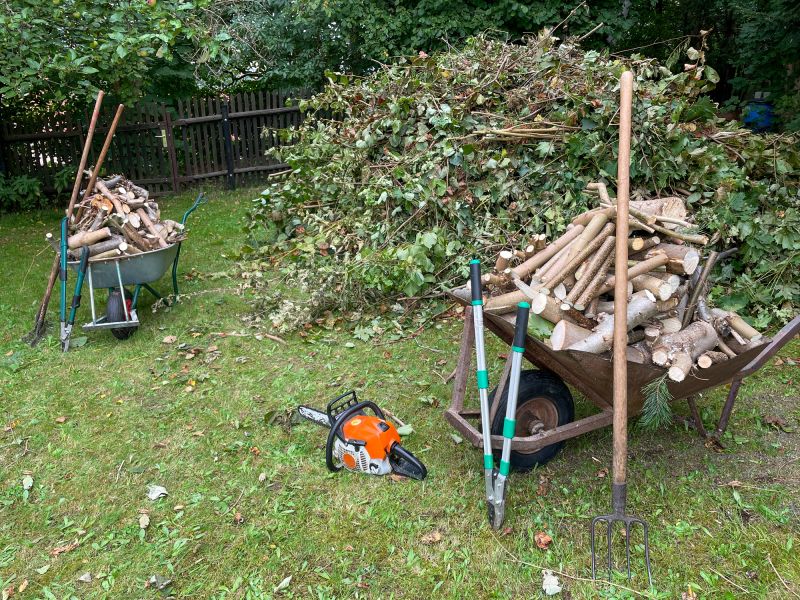
Fallen Branch Removal Questions
Why should fallen branches be removed promptly? Removing fallen branches helps prevent damage to landscaping, structures, and reduces the risk of injury from unstable debris.
What types of branches are typically removed? Both small and large fallen branches from storms, wind, or overgrown trees are commonly removed to maintain safety and appearance.
How does fallen branch removal benefit property owners? Clearing fallen branches improves curb appeal, prevents pest infestations, and reduces potential hazards on the property.
Is fallen branch removal necessary after storms? Yes, removing storm-fallen branches helps clear pathways, prevents damage, and keeps the yard safe for activities.
Request Fallen Branch Removal in Honolulu, HI
Use the quote form on this page to share the basics of your project and request more information for the type of work you need.