Poison Ivy Removal in Delaware County, PA
Poison ivy removal services are designed to safely eliminate this common and troublesome plant from residential properties. These services typically cover projects such as clearing overgrown areas, removing poison ivy from trees, fences, and shrubs, and restoring the safety and appearance of yards and gardens. Property owners often seek these services to prevent skin irritation, allergic reactions, or to improve the usability of outdoor spaces for activities like gardening, playing, or relaxing.
Before requesting poison ivy removal, property owners usually want to understand the extent of the infestation, the best methods for removal, and whether the plants will be fully eradicated to prevent regrowth. It is also helpful to know if the removal process involves cutting, digging, or chemical treatment, and to consider any safety precautions needed during and after the work. Proper assessment ensures effective removal and helps maintain a safe, attractive outdoor environment.
Many property owners in Delaware County, PA look into Poison Ivy Removal for repairs, replacements, upgrades, and appearance-related improvements.
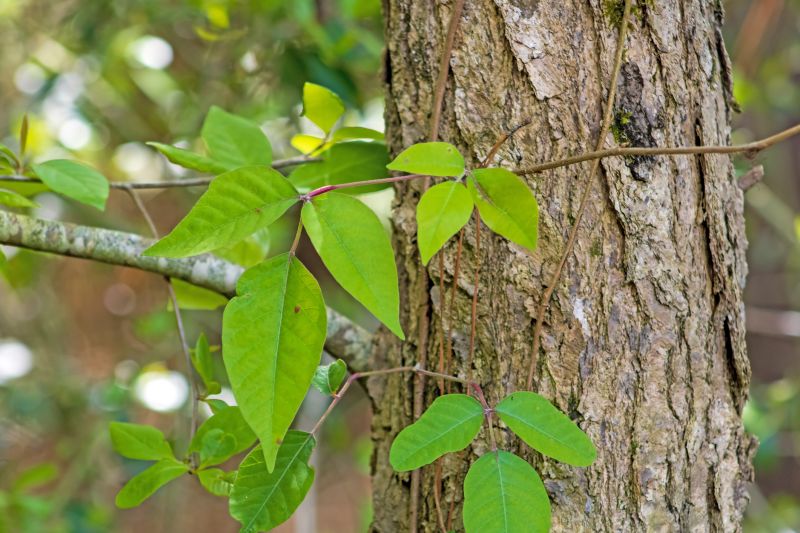
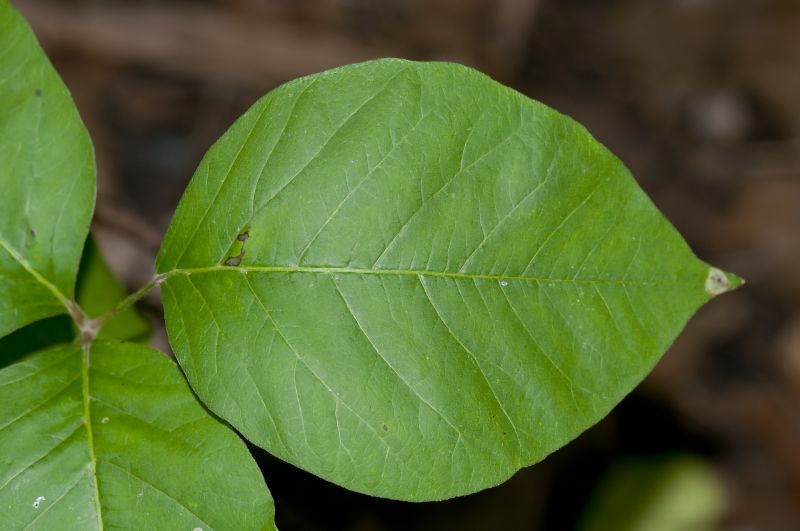
Identifying Poison Ivy
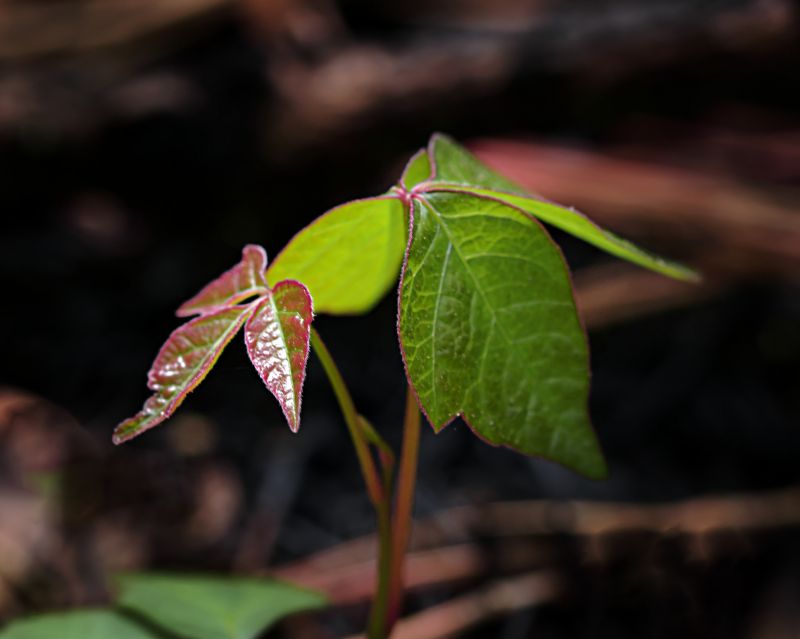
Recognizing poison ivy can prevent skin irritation and protect your landscape.
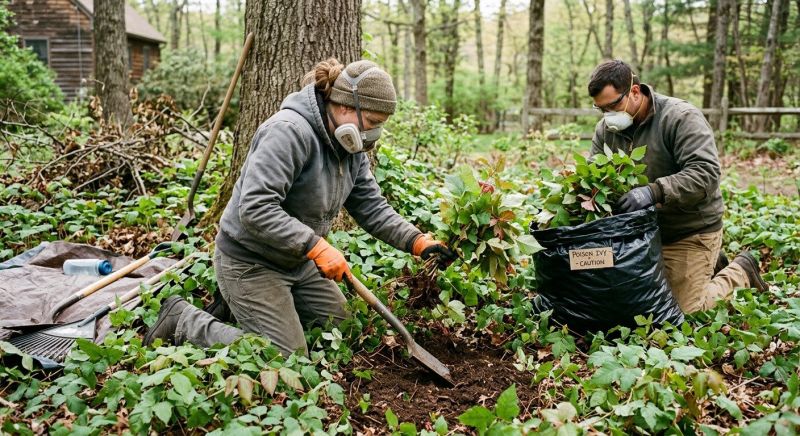
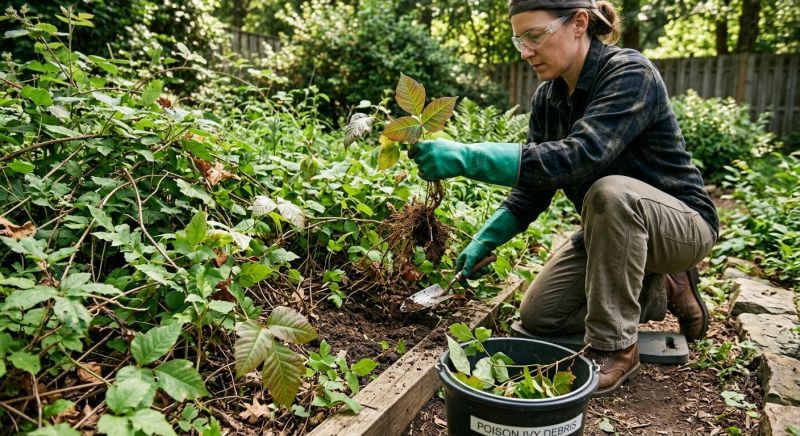
Removal Techniques
Professional removal involves safely eliminating poison ivy without damaging surrounding plants.
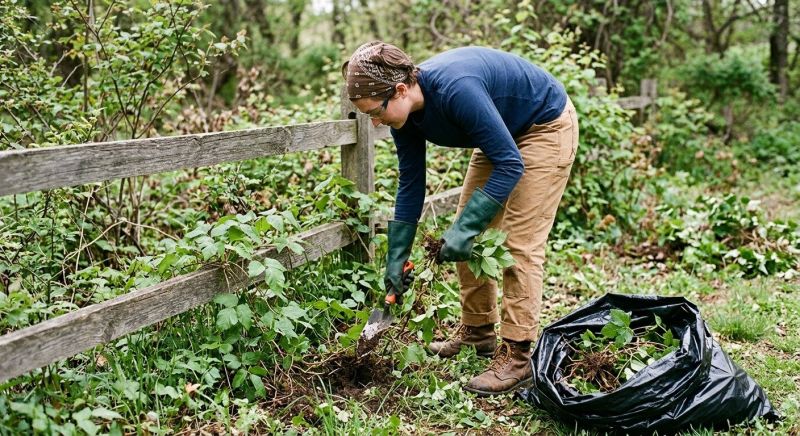
Property Safety
Removing poison ivy helps maintain a safe outdoor environment for families and visitors in delaware county.
Poison Ivy Removal in Delaware County, PA
Poison ivy removal services are designed to safely eliminate this common and troublesome plant from residential properties. These services typically cover projects such as clearing overgrown areas, removing poison ivy from trees, fences, and shrubs, and restoring the safety and appearance of yards and gardens. Property owners often seek these services to prevent skin irritation, allergic reactions, or to improve the usability of outdoor spaces for activities like gardening, playing, or relaxing.
Before requesting poison ivy removal, property owners usually want to understand the extent of the infestation, the best methods for removal, and whether the plants will be fully eradicated to prevent regrowth. It is also helpful to know if the removal process involves cutting, digging, or chemical treatment, and to consider any safety precautions needed during and after the work. Proper assessment ensures effective removal and helps maintain a safe, attractive outdoor environment.
Many property owners in Delaware County, PA look into Poison Ivy Removal for repairs, replacements, upgrades, and appearance-related improvements.
Common Poison Ivy Removal Jobs
Poison Ivy Removal - Safe elimination of poison ivy from yards and landscaping areas.
Yard Clearing - Removing poison ivy from lawns, gardens, and outdoor spaces.
Property Maintenance - Regular management to prevent poison ivy regrowth.
Landscape Clearing - Clearing poison ivy from wooded or overgrown areas.
Fence Line Clearing - Removing poison ivy along property boundaries and fences.
Trail and Pathway Clearing - Ensuring safe access by removing poison ivy from walking paths.
Poison Ivy Removal Questions
What is poison ivy removal? Poison ivy removal involves safely eliminating the plant from residential or commercial properties to prevent skin irritation and promote a safe outdoor environment.
Why is professional removal recommended? Professionals use proper techniques and equipment to effectively remove poison ivy and reduce the risk of spreading or contact with the plant.
What types of properties benefit from poison ivy removal? Residential yards, parks, commercial landscapes, and any outdoor areas where poison ivy growth poses a concern can benefit from removal services.
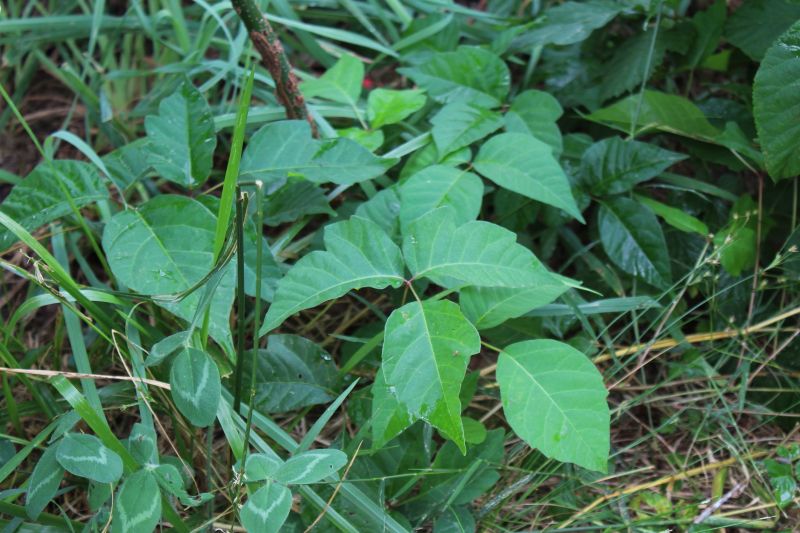
How can property owners identify poison ivy? Poison ivy typically has three leaflets with a shiny surface and can grow as a vine or shrub, often found along fences, trees, or shaded areas.
Request Poison Ivy Removal in Delaware County, PA
Use the quote form on this page to share the basics of your project and request more information for the type of work you need.